
Quick answer
The most direct way to reach Arthur's Pass from Christchurch is via State Highway 73, a 153-kilometre route that takes approximately 2 hours 15 minutes under normal conditions. The route follows the Waimakariri River gorge before climbing to 920 metres elevation at the pass itself. Self-drive is the most flexible option, though the TranzAlpine train offers a scenic alternative with a stop at Arthur's Pass village.
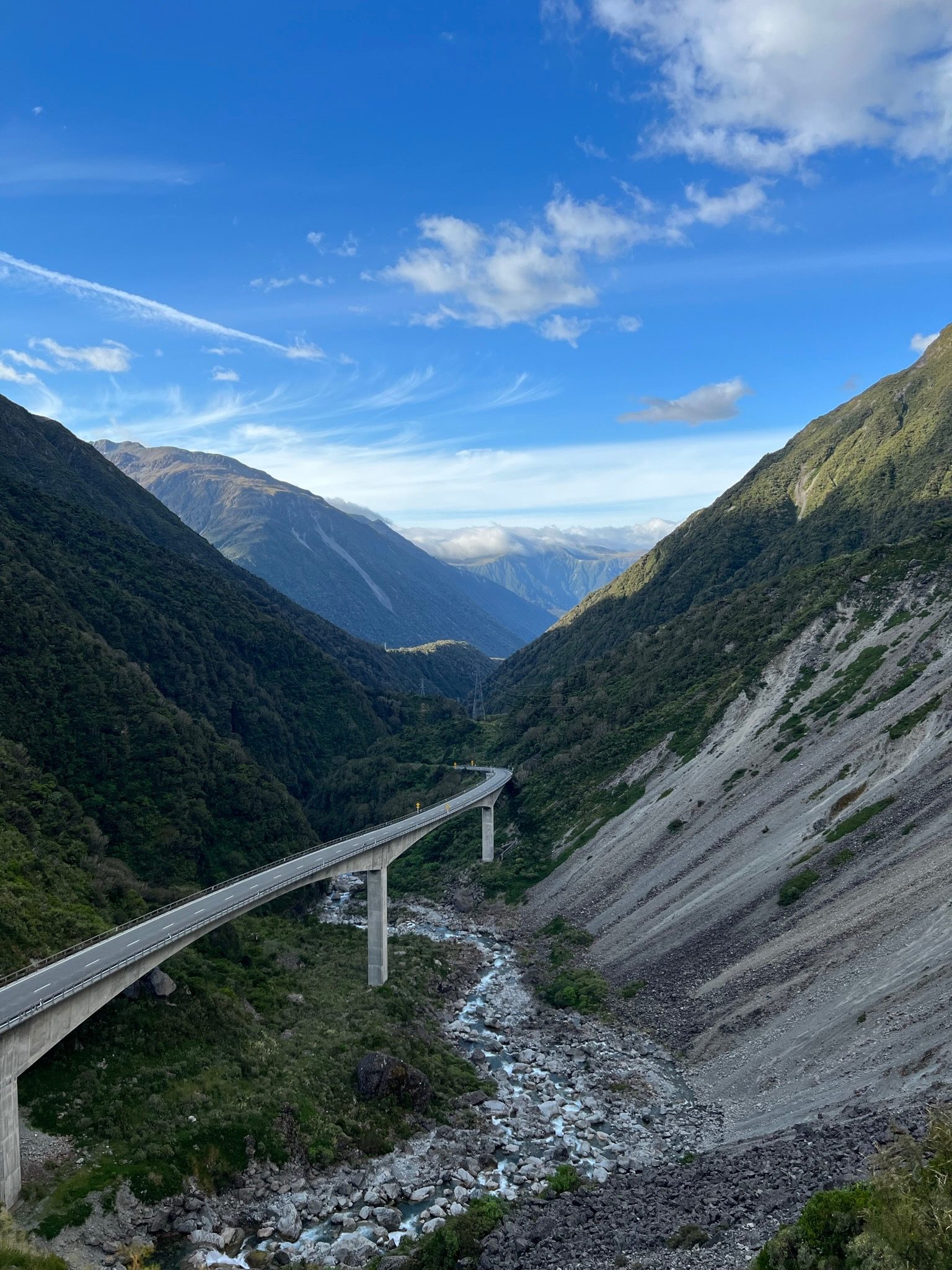
State Highway 73 is the only sealed road connecting Christchurch to Arthur's Pass, and it earns its reputation as one of New Zealand's most scenic inland routes. The road begins in the flat Canterbury Plains before entering the Waimakariri River gorge at Springfield, where the landscape shifts from farmland to tussock and beech forest. By the time you reach the village, you've climbed from sea level to 740 metres, with the pass summit another 180 metres higher. Self-drive remains the most practical option for day visitors. The road is well-maintained year-round, though winter conditions between June and September demand caution — snow and ice are common above 500 metres, and the road can close temporarily during storms. Rental vehicles are available throughout Christchurch, and most standard cars handle the route comfortably in dry conditions. Fuel is available in Springfield (71 kilometres from Christchurch) and again in Otira on the western side of the pass, but not in Arthur's Pass village itself. The TranzAlpine train offers an alternative for those who prefer not to drive. It departs Christchurch daily at 8:15 AM, reaching Arthur's Pass village at 10:31 AM, with a return service departing at 1:45 PM. The train runs year-round and provides large windows and an open-air viewing carriage. Booking in advance is essential during summer and winter peak seasons. Coach services operate daily between Christchurch and the West Coast, with stops at Arthur's Pass village. These services are scheduled for through-passengers rather than day visitors, so confirm return timing before booking. Private shuttle operators also serve the route, particularly for trampers accessing Department of Conservation tracks. The Christchurch to Arthur's Pass journey involves genuine alpine terrain. Cellular coverage drops away after Springfield, and weather can change rapidly — conditions in Christchurch reveal little about what's happening 100 kilometres inland. The village sits at the boundary between Canterbury's dry east and Westland's wet west, and that transition defines the road itself.
“State Highway 73 is the only sealed road connecting Christchurch to Arthur's Pass, climbing from sea level to 920 metres through the Waimakariri gorge.”
How to Get to Arthur's Pass From Christchurch: Transport Options
Arthur's Pass is located in the Southern Alps, accessed primarily via State Highway 73 from Christchurch. Travelers can reach the village by private vehicle, coach services, or the TranzAlpine rail line.
State Highway 73 from Christchurch
TranzAlpine line from Christchurch Railway Station
InterCity coach services from Christchurch Central
When Is the Best Time to Travel: How to Get to Arthur's Pass From Christchurch Efficiently
The best arrival window for visiting Arthur's Pass from Christchurch is between 08:30 and 12:00. This timeframe helps you avoid midday crowds and provides sufficient daylight to enjoy alpine activities safely.
Summer (Dec–Feb)
High trafficWarm, 15°C to 22°C
Expect busier trails and longer travel times.
Autumn (Mar–May)
ModerateMild, 5°C to 15°C
Stable conditions are common during these months.
Winter (Jun–Aug)
ModerateCold, -2°C to 8°C
Snow is frequent; carry chains for the pass.
Weekday mornings
Low—
Arriving early ensures quieter paths and parking.
Verdict: For the most efficient experience, plan your departure from Christchurch to arrive at the pass on a weekday between 08:30 and 12:00 during the months of April or October.
Visitor Centre Opening Hours: How to Get to Arthur's Pass From Christchurch
The Arthur's Pass Visitor Centre is open daily to provide information and assistance for your journey.
| Monday | 08:30–16:30 | |
|---|---|---|
| Tuesday | 08:30–16:30 | |
| Wednesday | 08:30–16:30 | |
| Thursday | 08:30–16:30 | |
| Friday | 08:30–16:30 | |
| Saturday | 08:30–16:30 | |
| Sunday | 08:30–16:30 |
Entry Costs for How to Get to Arthur's Pass From Christchurch
Access to Arthur's Pass National Park and the Arthur's Pass Visitor Centre is managed by the Department of Conservation. There are no entry fees required to visit these locations.
A typical adult pays 0 NZD for entry, as there are no admission fees for the national park or the visitor centre.
Preparation Checklist for How to Get to Arthur's Pass From Christchurch
The mountain route demands careful preparation—check weather, vehicle condition, and safety gear before departure.
-
Check MetService alpine forecast — Arthur's Pass sits at 920m and weather shifts rapidly, especially in winter
-
Ensure full fuel tank in Christchurch — No reliable fuel between Christchurch and the West Coast settlement
-
Carry tire chains year-round — State Highway 73 requires chains in snow, with fines for non-compliance
-
Pack warm layers and waterproofs — Temperature drops sharply with elevation and conditions change without warning
-
Confirm vehicle has working spare tire — Mobile coverage is patchy through the Southern Alps
-
Download offline maps before leaving — GPS signal weakens in mountain valleys and gorges
Check availability
Frequently Asked Questions About Visiting Arthur's Pass
Everything you need to know about how to get to arthur's pass from christchurch